ENTERPRISE CRM PLATFORM
A connected CRM product covering client management, campaigns, documents and complex operational workflows.
I design clear, functional, and scalable digital products by connecting user needs, business goals, and technical realities. My work covers web applications, SaaS platforms, mobile products, dashboards, and design systems.
PRODUCT DESIGN CASE STUDIES ACROSS WEB, SAAS, MOBILE AND COMPLEX WORKFLOWS
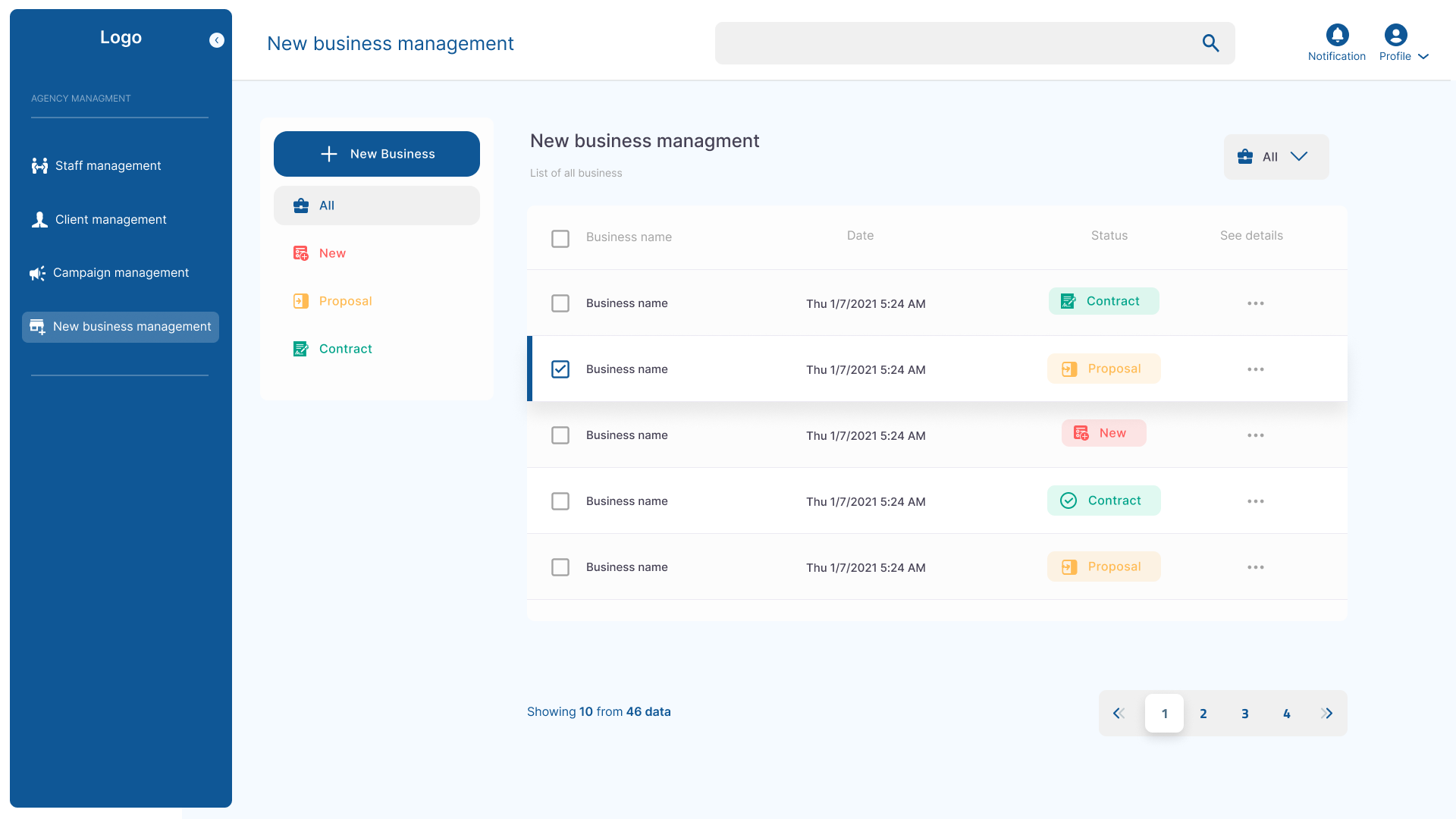
A connected CRM product covering client management, campaigns, documents and complex operational workflows.
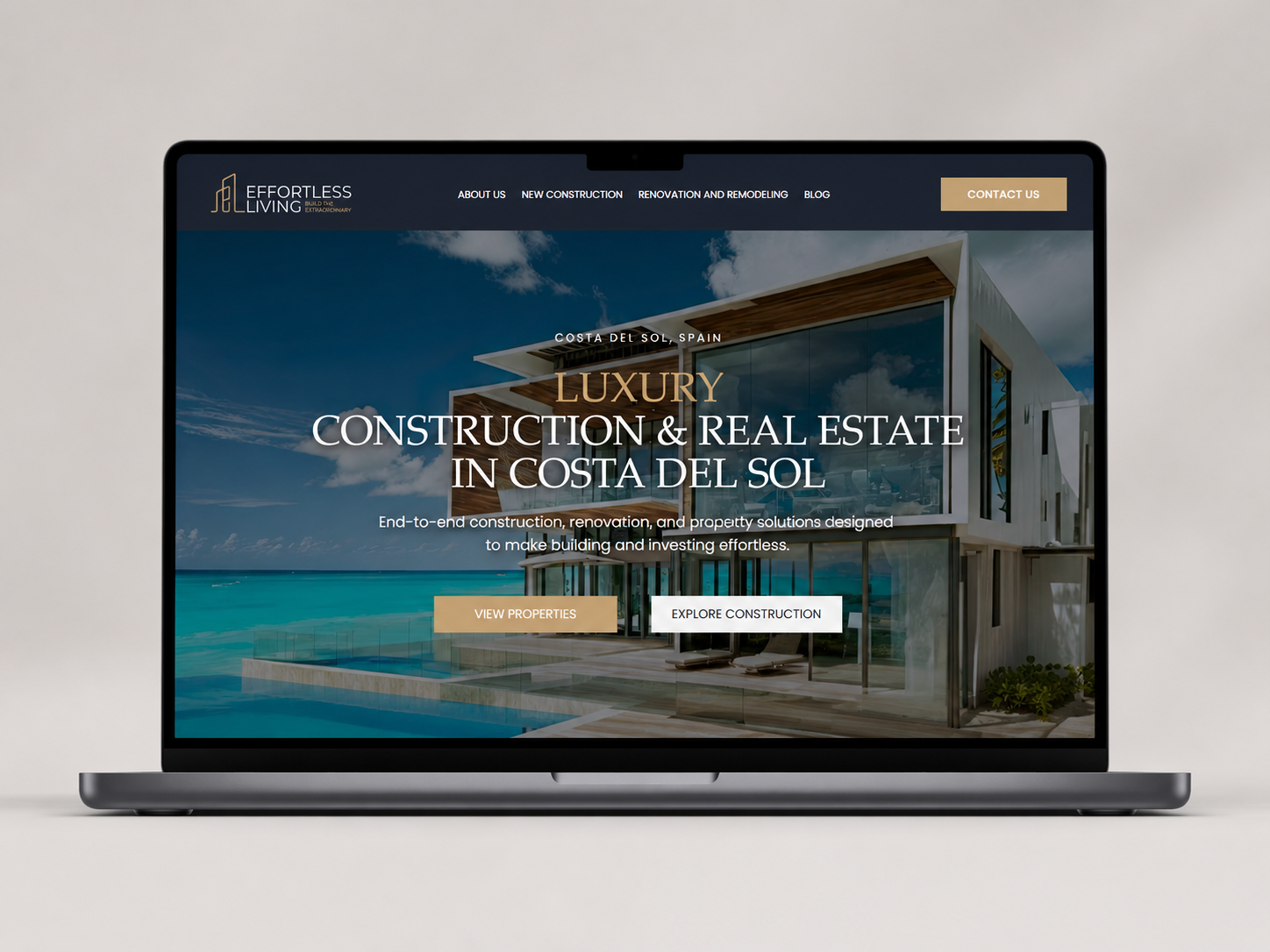
A complete responsive redesign that transformed a limited website into a clearer and more complete digital experience.
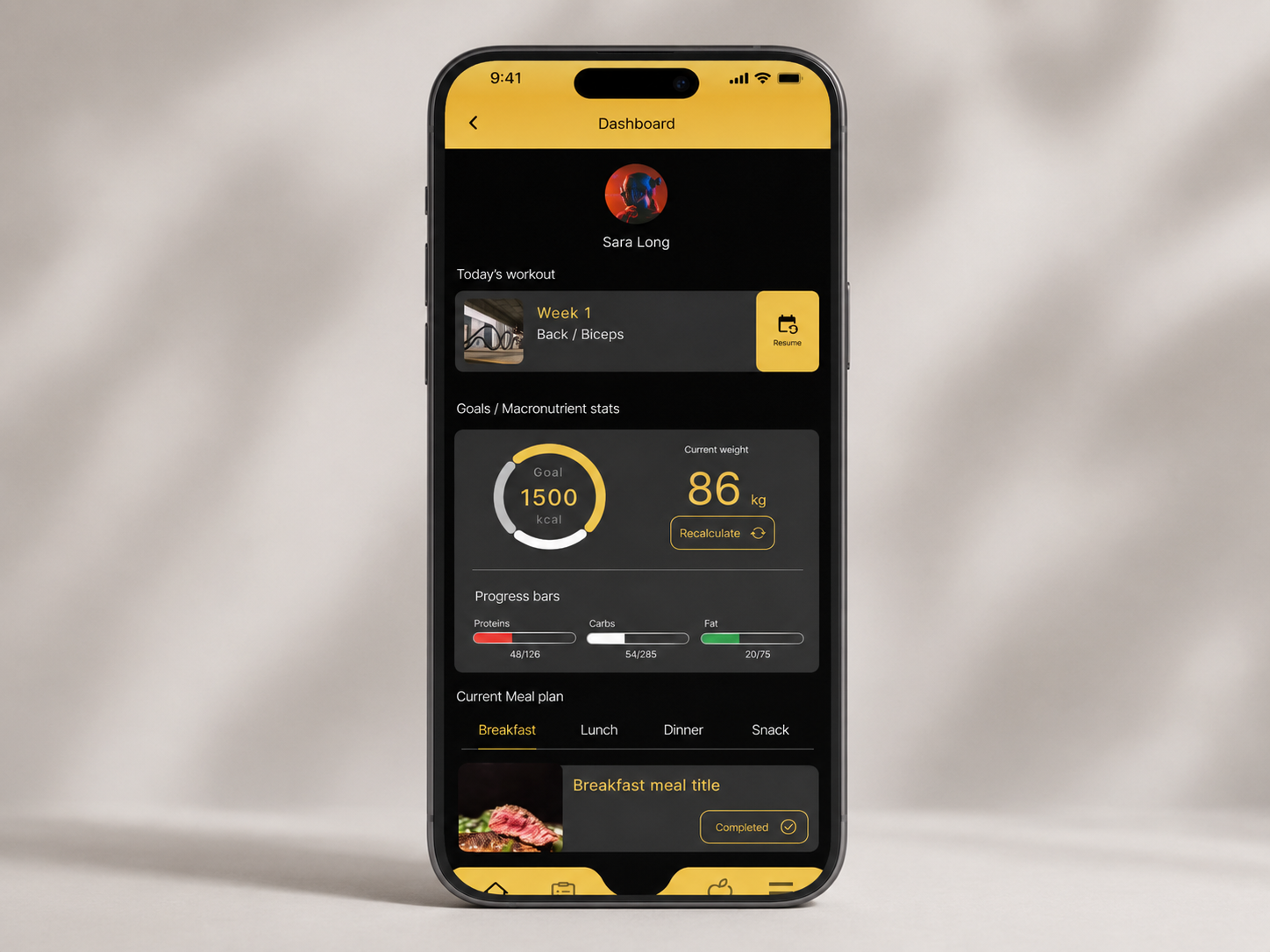
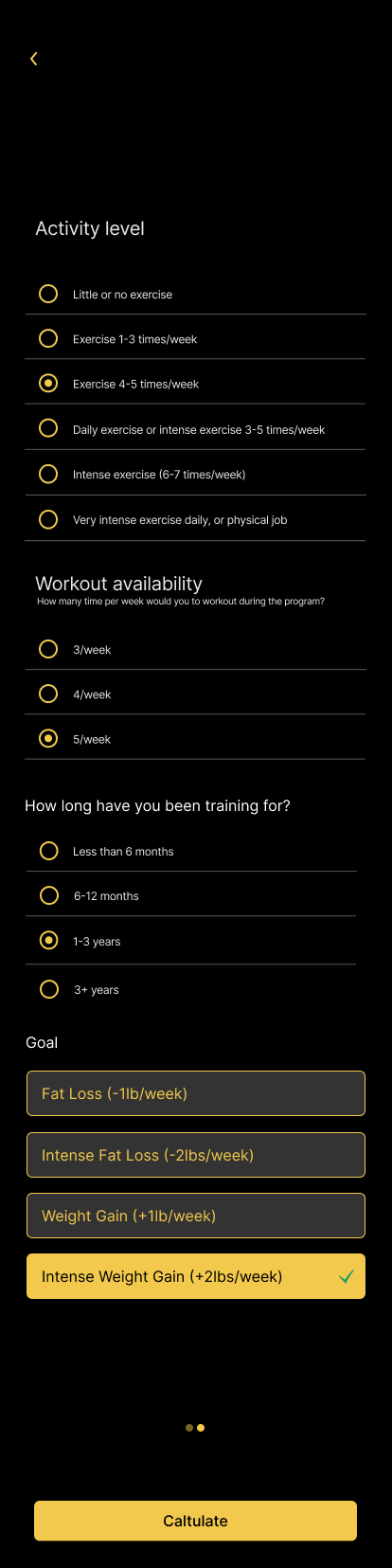
A mobile product connecting onboarding, workouts, meal planning, subscriptions and daily progress.
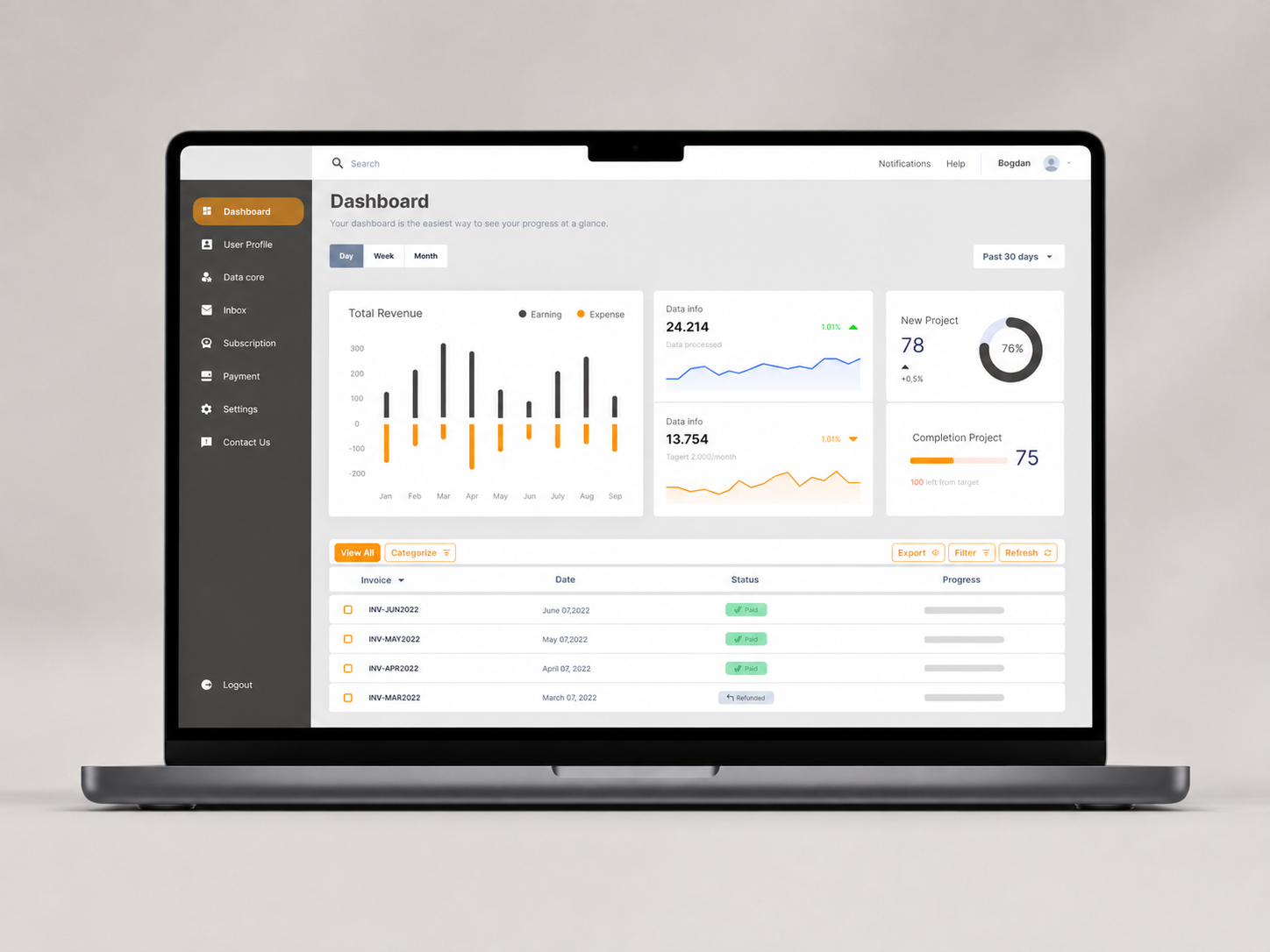
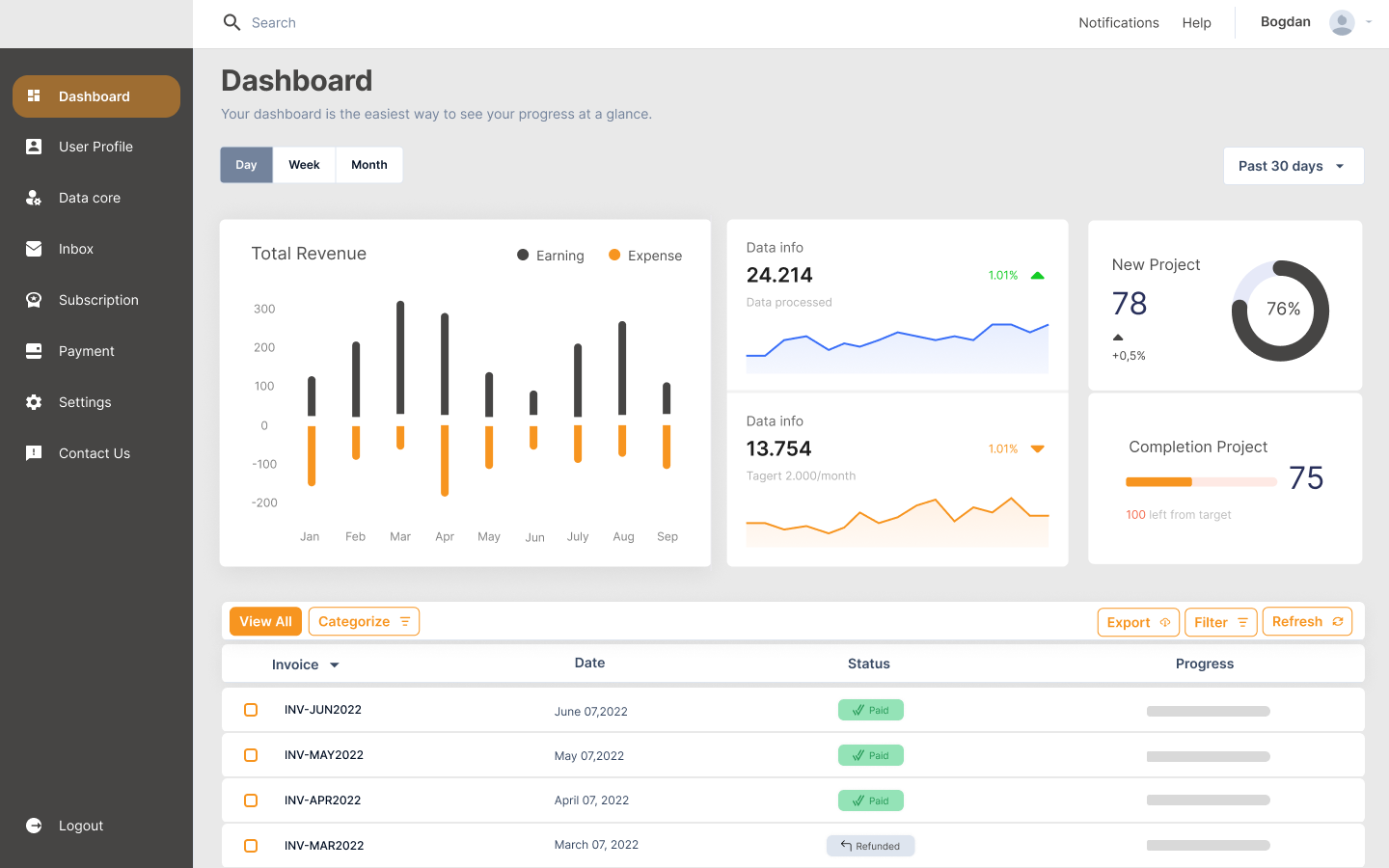
A dashboard product connecting account information, subscriptions, settings and recurring operational tasks.
SELECTED WORK SAMPLES ACROSS DESIGN CATEGORIES
CAPABILITIES FOR DIGITAL PRODUCTS, PLATFORMS & EXPERIENCES
Every engagement is scoped around the product, users, business goals, and technical requirements.
Project structure and deliverables are agreed before work begins.
PRODUCT THINKING, OWNERSHIP & STRUCTURED COLLABORATION
ENGAGEMENT OPTIONS & COMMUNICATION PROTOCOLS
Tell me what you are building, improving, or trying to understand. I will help define the right design scope and a practical path forward.
CLICK ANY PHASE TO EXPAND — ADAPTED TO THE PRODUCT, TEAM AND SCOPE
I begin by clarifying the product challenge, business goals, user needs and technical context. The depth of research is adapted to the available evidence, project stage and scope.
Research and requirements are translated into a clear product structure. I define how information, features and user actions should connect before detailed visual design begins.
The approved structure is developed into a clear, consistent and responsive interface. Visual decisions support usability, hierarchy, brand direction and the technical requirements of the product.
Interactive prototypes make flows and behaviour easier to evaluate before development. The level of fidelity depends on what needs to be reviewed, validated or communicated.
The design is reviewed against user needs, business goals and product requirements. Validation methods are selected according to the available users, evidence, timeline and level of risk.
Approved designs are organised and documented so developers can understand the intended structure, states and behaviour. I remain available during implementation when clarification or design review is needed.
STANDARDS THAT GUIDE THE WORK
HOW THE TEAM STAYS ALIGNED
PRIMARY WORKING TOOLKIT
Every project needs a clear direction, the right level of structure and a process that fits the team. Let’s define what matters and move the product forward.
I design clear, functional and scalable digital products across web, SaaS and mobile. My work connects user needs, business goals and technical realities—from early product structure and user flows to polished interfaces, prototypes and developer handoff.
Before moving into design, I built a long career in aviation and operational planning. That background shaped how I approach complex systems: with structure, attention to detail, clear communication and respect for the people using them.
CLICK ANY ROLE TO EXPAND — SELECTED PROFESSIONAL EXPERIENCE
Good product design brings clarity to complex problems. I focus on understanding what users need, what the business is trying to achieve and what the team can realistically build. The strongest solution is not always the most visually elaborate one—it is the one that works clearly and consistently.
My earlier aviation and operational planning experience strengthened my attention to systems, dependencies and communication. I apply that discipline without turning every project into a rigid process.
SELECTED AREAS ACROSS CLIENT, CONTRACT AND IN-HOUSE WORK
Share what you are building, improving or trying to understand. I can help define the right design scope and turn complexity into a clear, practical product direction.
PRODUCT DESIGN CASE STUDIES ACROSS WEB, SAAS, MOBILE AND COMPLEX WORKFLOWS
A connected CRM product covering client management, campaigns, documents and complex operational workflows.
A complete responsive redesign that transformed a limited website into a clearer and more complete digital experience.
A mobile product connecting onboarding, workouts, meal planning, subscriptions and daily progress.
A dashboard product connecting account information, subscriptions, settings and recurring operational tasks.
SELECTED IDENTITY, PRINT, ILLUSTRATION AND VISUAL COMMUNICATION WORK
Share what you are building, improving or trying to understand. I will help define the right design scope and a practical path forward.
FLEXIBLE DESIGN SUPPORT FOR DIGITAL PRODUCTS, PLATFORMS AND BRANDS
Every engagement is shaped around the product, users, business goals and
technical requirements.
Scope, deliverables and collaboration are agreed before work begins.
FLEXIBLE WAYS TO STRUCTURE THE WORK
A FLEXIBLE APPROACH ADAPTED TO THE PRODUCT, TEAM AND SCOPE
Share the product, challenge or opportunity you are working on. We can clarify the priorities, complexity and most useful way to collaborate.
The project focused on a complex enterprise CRM platform connecting client management, proposals, contracts, onboarding, campaigns, documents, reporting and internal operations within one product.
MY ROLE
I worked as the sole Product Designer within a cross-functional team that included a Project Manager, Business Analyst, Customer Success Manager, developers and QA. After receiving the initial PRD, I independently owned the UX structure, information architecture, user flows, wireframes, UI system, high-fidelity screens, prototypes, weekly client reviews and development handoff.
NDA NOTE
Client names, brand elements, internal business data, protected workflows and identifying details have been removed or anonymised.
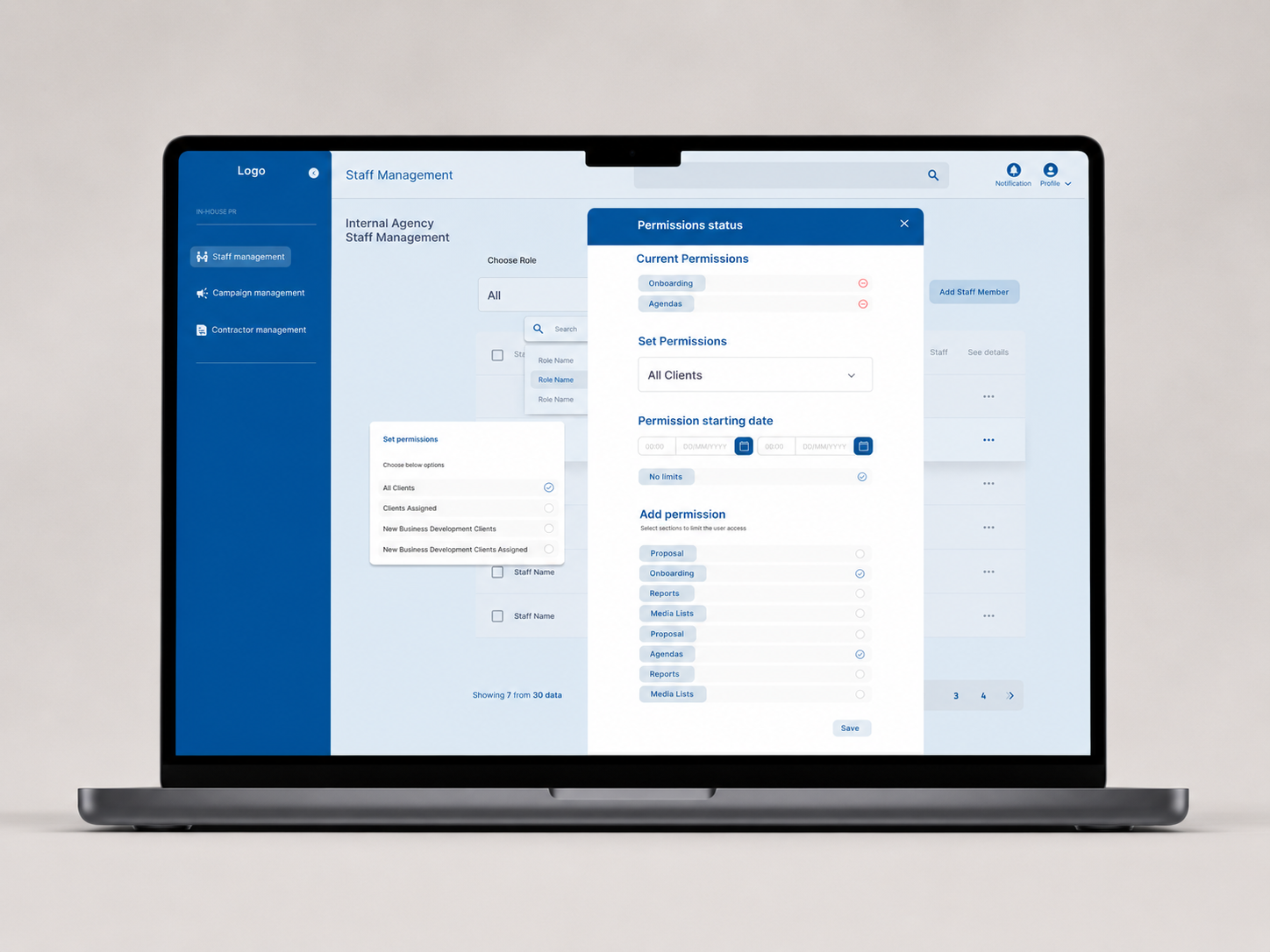
Reviewed the initial PRD and translated business requirements into product modules, workflows and open design questions.
The CRM connected many business processes. A clear understanding of dependencies was necessary before designing individual screens.
Treat the platform as one connected system rather than a collection of isolated features.
Defined navigation, module relationships and end-to-end flows across clients, proposals, contracts, onboarding and campaigns.
Users needed to move between related records without losing context or repeatedly searching for the same information.
Use consistent overview-to-detail patterns throughout the product.
Created wireframes for dashboards, tables, record details, forms, documents and operational workflows.
Low-fidelity structure allowed complex logic to be reviewed before visual detail increased the cost of change.
Prioritise scannability and predictable actions in data-heavy views.
Designed the final interface and reusable patterns for tables, filters, statuses, forms, documents and actions.
A shared component system reduced inconsistency and supported additional modules without redesigning the product.
Create repeatable system-level patterns instead of screen-specific solutions.
Presented progress weekly, clarified requirements and incorporated approved revisions across the platform.
Regular feedback prevented late-stage surprises and kept product decisions aligned with client expectations.
Validate modules continuously rather than waiting for one final review.
Prepared approved screens, prototypes, component guidance and implementation details for the development team.
Clear handoff reduced ambiguity and helped preserve design consistency during implementation.
Document reusable behaviour and states, not only static screens.
Whether you need a Design Lead embedded in your team, a complete product redesign, or a design system built from scratch — let's talk.
NOTES ON DESIGN, AVIATION, AND THE SPACE BETWEEN
TELL ME ABOUT YOUR PRODUCT, TEAM OR DESIGN CHALLENGE
The structure, visual language and identity behind igorsaponja.com. Built as one connected product system with clarity, consistency and purpose.
SITE ARCHITECTURE · DESIGN SYSTEM · BRAND MARK
The site architecture is designed around a clear evaluation path. Visitors can quickly understand the work, professional background, design process and available ways to collaborate.
Shared colour, typography, spacing and component rules keep every page connected while allowing individual projects to remain visually distinct.
Panels and sections use shared border tokens and precise alignment.
Spacing supports hierarchy without creating excessive empty areas.
Hover, active, focus and status states use clear visual feedback.
Shared cards, headers and controls reduce visual fragmentation.
The personal mark is derived from the caron above the Latin letter Š in the surname Šaponja and transformed into an independent identity symbol.
The accent was isolated from the surname and refined into a compact mark. The final form is simple enough for a favicon while retaining a direct personal connection to the name.
Use the correct version based on background contrast and theme context. The icon-size previews show how the mark behaves in smaller digital sizes commonly used for favicons, app-style icons and compact UI placements.
The experience answers the visitor’s main questions in a deliberate sequence—from initial orientation and project evaluation to confidence, contact and a clear next step.
Selected projects appear early because relevant work provides the clearest evidence of capability.
Project scope is shaped around the product, team, complexity and level of design support required.
The inquiry flow collects useful project context while keeping the first contact simple and direct.
The visual direction combines technical precision with restrained editorial presentation. System elements organise the content without overpowering the work itself.
Alignment, borders and measured spacing make complex information easier to scan.
Compact references and status labels support orientation and visual rhythm.
Accent colours and interaction states direct attention toward the most important next action.
Accessibility, responsive behaviour and technical delivery are part of the product system from the beginning rather than additions made after the visual design is complete.
Every project needs a clear direction, the right level of structure and a process that fits the team. Let’s define what matters and move the product forward.